Taper Fade for Face Shape: How to Choose the Perfect Style

Your haircut starts with one smart choice. A taper fade can completely change how your face looks. The right taper fade adds balance and sharpness. It highlights your best features naturally. Not every taper fade works for every face. That’s why face shape matters so much.

Oval, round, square, heart each shape needs a different approach. A high taper fade suits round faces well. A low taper fade works better for square or rectangular faces. Choosing the wrong taper fade throws off your whole look. But choosing the right one builds instant confidence. This guide breaks it all down simply. You’ll know exactly which taper fade fits your face before walking into the barbershop.

Which Taper Fade Fits Your Face Shape?

Learn more:Burst Fade Haircut: Best Styles for Men (Low, Curly & Mullet)

Your face shape determines everything. Picking the right taper fade isn’t just about trends. It’s about what actually works for your unique structure. The wrong fade makes your face look wider, longer, or completely unbalanced. The right one does the opposite.

Most people walk into a barbershop without a plan. They pick a style they saw online and hope for the best. That’s a gamble. Your barber needs direction. Knowing your face shape gives you that direction instantly and confidently every single time.

Oval, round, square, heart, diamond, and rectangle each face shape has a perfect taper fade match. Understanding which fade suits you means better haircuts every time. This guide walks you through every face shape clearly and simply.

How To Determine Your Face Shape

Figuring out your face shape is simpler than you think. You don’t need a professional consultation. A mirror and a few minutes are all it takes. Once you know your shape, choosing the right taper fade becomes much easier and more intentional.

Start by pulling your hair back completely. Look straight into the mirror. Notice the width of your forehead, cheekbones, and jaw. Also note how long your face looks from top to bottom. These four measurements tell you everything about your shape.

Face shapes fall into six main categories. Each one has distinct proportions that stand out when measured properly. Oval faces are longer with softer edges. Round faces are equally wide and tall. Square faces have strong jawlines. Heart and diamond shapes each carry their own clear signatures.

Measure Your Face (Mirror Method)

The mirror method is the easiest way to find your face shape at home. No tools required. Just stand in front of a mirror and pull all your hair back. This removes distractions and reveals your true facial structure instantly.

Use a washable marker or lipstick to trace your face outline directly on the mirror. Step back and look at the shape you’ve drawn. Is it round, long, wide, or angular. That outline is your face shape staring right back at you.

Alternatively, take a front-facing photo with your hair tied back. Look at the widest parts of your face. Compare your forehead to your jawline. If your jaw is narrower and your forehead is wider, you likely have a heart-shaped face.

Best Taper Fade For Every Face Shape

Not every taper fade fits every face. That’s the honest truth. The best fade for your face depends entirely on your proportions. A style that looks sharp on your friend might look completely off on you. Face shape is the real deciding factor.

There are six main face shapes to consider. Each one pairs best with a specific fade height and top length. Getting this pairing right means your haircut works with your face, not against it. Small details make a massive difference in the final result.

Below, each face shape gets a dedicated breakdown. You’ll find the best fade type, why it works, and how to ask for it at the barbershop. Read through each one and find the shape that matches yours most closely.

1. Oval Face Shape – The Most Versatile

Oval Face Shape – The Most Versatile

Oval is the golden standard of face shapes. It’s balanced, symmetrical, and naturally proportionate. Nearly every taper fade looks great on an oval face. You have more styling freedom than any other face shape when walking into the barbershop.

Low, mid, and high taper fades all work well here. Try a textured crop, pompadour, or slick back for extra personality. Keep around 2 to 3 inches on top for movement and volume. Your natural balance makes any of these styles shine effortlessly.

Ask your barber for a clean taper around the neck and temples. Request slightly more length on top to add natural volume. Refresh the cut every 3 weeks to keep the edges sharp and the fade looking fresh and defined.

2. Round Face Shape – Add Height & Sharpness
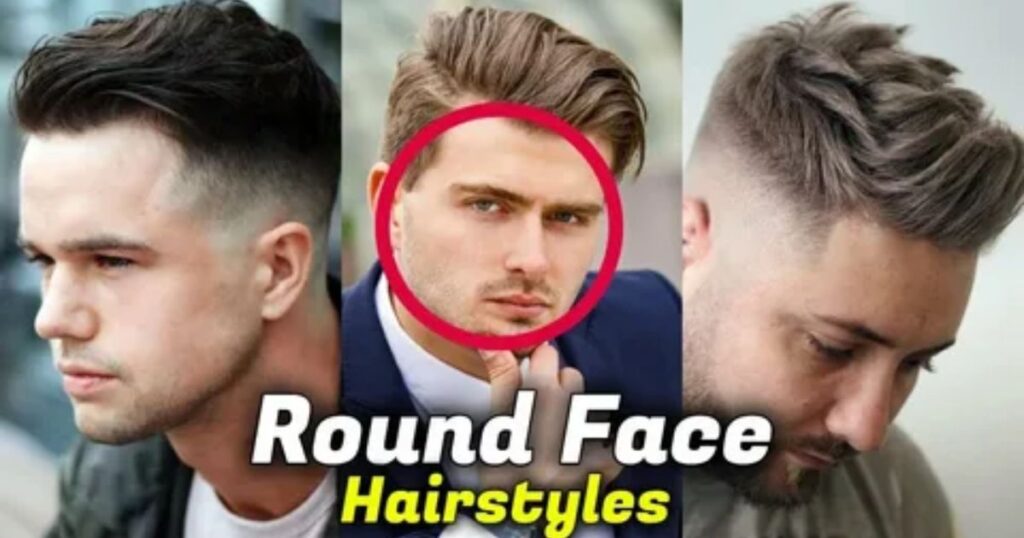
Round Face Shape – Add Height & Sharpness

Round faces have fuller cheeks and softer angles. The goal is to create the illusion of length. A mid to high taper fade does exactly that. It draws the eye upward and makes your face appear slimmer and more structured overall.

Go for styles with height on top. Quiffs, textured tops, and spiky styles all add vertical contrast. Avoid cuts that are too even on the sides that only makes a round face look wider. Height is genuinely your best friend here.

Tell your barber you want more length on top with a tighter fade at the temples. A number 1 or 2 guard fade works perfectly. Touch up every 2 to 3 weeks to maintain the structure and keep the shape looking clean and defined.

3. Square Face Shape – Balance Strong Jawlines
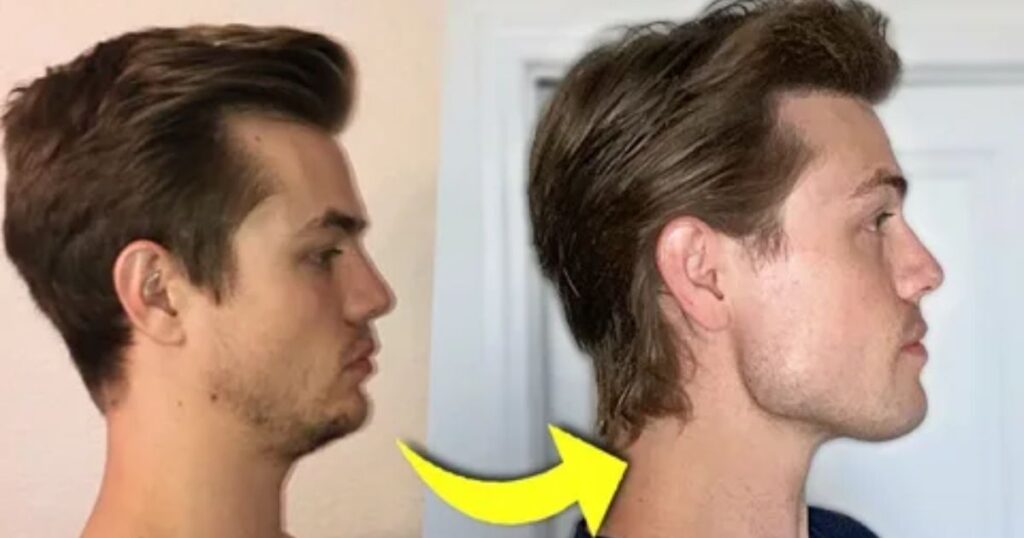
Square Face Shape – Balance Strong Jawlines

Square faces have bold jawlines and wide foreheads. These are strong, attractive features but they need balancing. A low to mid taper fade adds refinement without removing the natural power of your facial structure. It softens without erasing your angles.

Side parts, textured fringes, and wavy tops all work beautifully here. They add movement and soften those sharp angles naturally. Avoid overly crisp geometric lines in the haircut they make a square face look too angular and unnecessarily harsh.

Ask your barber for a gradual fade with blended sides using a number 2 or 3 guard. Keep the top soft and textured rather than slicked down tight. Schedule a trim every 3 to 4 weeks to keep everything smooth and well-structured.

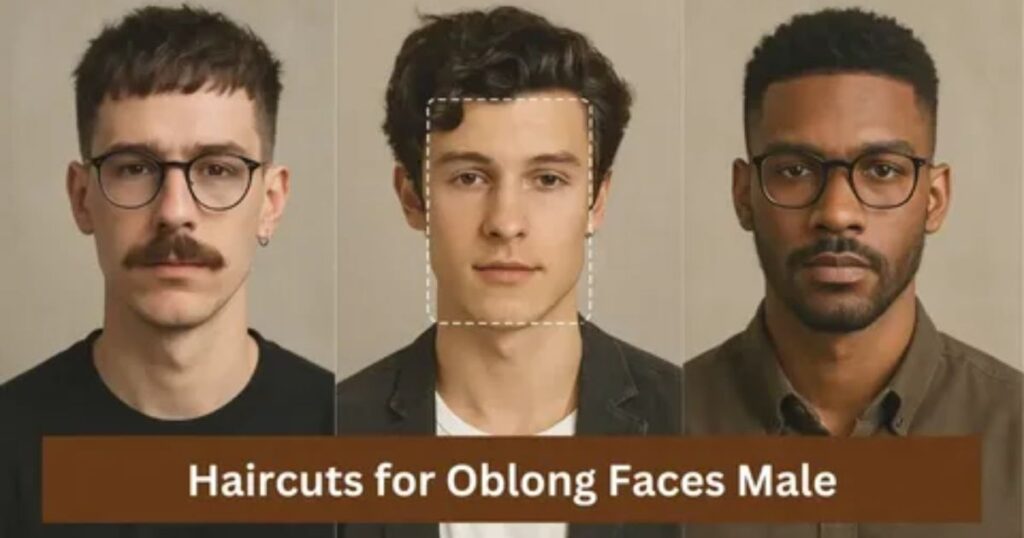
4. Oblong / Rectangle Face Shape – Avoid Too Much Height
What 2 Inches Actually Means
Two inches equals 5.08 centimeters. That's just over 50 millimeters. Picture two adult fingers pressed side by side. Simple as that. This measurement shows up everywhere in daily life without most people even noticing it at all.

Knowing how big is 2 inches saves real time and money. No more guessing at online listings. No more wrong-sized hardware purchases. Just a clear mental picture that sticks with you. It's one of the most practical measurements you'll ever memorize.

Here's a quick reference table showing how 2 inches converts across different units. Keep this handy for shopping, building, or crafting projects.

Unit	Exact Measurement
Centimeters	5.08 cm
Millimeters	50.8 mm
Feet	0.167 ft
Meters	0.051 m
14 Objects That Show You Exactly What 2 Inches Looks Like
Real objects make measurements click instantly. Forget rulers and confusing conversions. These 14 everyday items all measure right around 2 inches. You probably own most of them already. Each one gives you a reliable visual reference anytime you need it.

How big is 2 inches becomes crystal clear once you match it to something familiar. A golf tee, a matchstick, an eraser. These aren't random picks. They're consistently sized items that people rely on for quick, accurate size references every day.

Here's a full overview of all 14 objects, their category, and what part measures 2 inches.

Object	Category	Measurement Type
Golf Tee	Sports	Total Length
Safety Match Stick	Household	Total Length
School Eraser	Office Supply	Length
Collar Stay (Small)	Fashion	Length
Toggle Closure Barrel	Outerwear	Barrel Length
Furniture Slider Pad	Home Hardware	Diameter
Heavy-Duty Dowel Rod	Construction	Diameter
Hockey Tape Roll	Sports Equipment	Width
Portable Speaker Driver	Electronics	Diameter
Structural Rivet	Hardware	Total Length
Snap Hook	Accessories	Total Length
Fender Washer	Construction	Outer Diameter
Wood Shim	Construction	Width
Fishing Bobber	Sports/Outdoors	Diameter
1. Golf Tee
A standard golf tee measures almost exactly 2 inches from pointed tip to cup. Every pro shop stocks the same size. That consistency makes it one of the most reliable everyday objects for understanding how big is 2 inches without ever touching a ruler.

Golfers need this specific height for clean ball contact. Too short and you dig into the turf. Too tall and the ball pops up with zero distance. That perfect 2-inch length isn't accidental. It's the result of decades of careful course-tested design refinement.

Keep one in your glove box or wallet. It won't wear out, it's cheap, and it gives you an instant reference wherever you go. Honestly it's the easiest measuring tool you'll ever carry around daily.

2. Safety Match Stick
Strike a match and you're holding exactly 2 inches. Every matchstick from restaurant books to hardware store boxes shares this same length. That's been true for over a century. The size keeps fingers safely away from flames while fitting neatly inside compact boxes.

This length isn't random at all. Long enough to burn safely without scorching your fingertips. Short enough to pack dozens into a small matchbox. That practical balance made 2 inches the undisputed standard across every match brand worldwide.

Next time you light a candle or campfire, notice that matchstick in your hand. That's how big is 2 inches right there. No ruler, no math. Just a familiar everyday item delivering instant size context.

3. School Eraser (Rectangle)
That classic pink block eraser from school days measures right around 2 inches long. Brands haven't changed this size in decades. It fits perfectly in small hands, slips into pencil cases easily, and erases mistakes without cramping your grip during long writing sessions.

The sizing makes ergonomic sense. Big enough to hold comfortably. Small enough not to crowd a desk. Teachers, students, and office workers all use the same standard size without even thinking about it. That's how universal this measurement truly is.

Keep one on your desk for more than just erasing. When you're shopping online and wondering how big is 2 inches, just glance at your eraser. Instant answer. No tape measure required at all.

4. Collar Stay (Small)
Collar stays are thin strips that slip inside dress shirt collar pockets to keep them crisp and structured. The small size measures exactly 2 inches. Men's shirt makers across every brand standardized this length so stays work universally regardless of which manufacturer made the shirt.

That 2-inch length fits the collar pocket perfectly. Not too short to lose structure. Not too long to poke through fabric. It keeps your collar sharp from morning coffee all the way through evening events without any visible bulk or discomfort developing.

Check your dress shirts right now. Slide open the collar pocket and you'll find these removable stiffeners waiting inside. They're a perfect wearable example of how big is 2 inches hiding quietly in your own wardrobe.

5. Toggle Closure Barrel
That cylindrical wooden or plastic barrel on a duffle coat is a toggle closure. It typically measures 2 inches long. Outerwear designers settled on this length because it provides enough grip surface to fasten coats even while wearing thick winter gloves outdoors comfortably.

The barrel's proportions work visually too. Short enough to sit flush against heavy wool or canvas fabric. Long enough to loop a cord around without fumbling. It's functional design that happens to give us a perfect wearable 2-inch reference.

Next time you spot a toggle coat at a thrift store or in your closet, check that barrel. It's consistently 2 inches across nearly every brand and style. Practical, durable, and surprisingly useful as a quick measuring reference.

6. Furniture Slider Pad
Small felt or plastic pads that protect hardwood floors from chair legs come in 2-inch diameter. Hardware stores sell them by the pack. They stick under furniture legs and let you slide heavy chairs without scratching or scuffing expensive flooring underneath during rearranging.

This diameter covers most chair leg bottoms without being visible from the sides. Large enough to distribute weight evenly. Small enough to stay hidden and avoid peeling off during regular use. That 2-inch sweet spot makes them practical for nearly every furniture type.

Pick up a pack next time you visit a hardware store. They protect your floors and double as a perfect circular reference for understanding how big is 2 inches in diameter form instantly.

7. Heavy-Duty Dowel Rod (Diameter)
Thick wooden dowel rods used in custom closet systems and industrial curtain setups measure 2 inches across. These aren't thin craft-store varieties. They're serious load-bearing cylinders built to hold heavy clothing, curtains, or shelving without bending under pressure over years of daily use.

The 2-inch diameter provides serious structural strength. Builders trust this size for closets and support systems that need to stay solid for years. Thinner dowels flex and eventually snap. This thickness stays rigid through heavy daily use without any extra reinforcement needed.

Head to the lumber section of any home improvement store and you'll find them easily. Pick one up and feel the difference. That solid palm-filling thickness is exactly how big is 2 inches in diameter form.

8. Hockey Tape Roll (Width)
Hockey tape rolls measure exactly 2 inches wide. That's the universal standard from youth leagues all the way up to professional teams. Every sporting goods store carries the same width because it fits most stick blades perfectly in just one or two clean wraps.

Players wrap blades to improve grip, protect the stick, and better control the puck. The 2-inch width covers the blade face efficiently without wasting tape or leaving awkward gaps. It's a sport-specific solution that landed on 2 inches for purely practical performance reasons.

Even if you don't play hockey these rolls make excellent grip tape for tool handles and bike handlebars. Durable, sticky, and always exactly 2 inches wide. A handy reference hiding right in sporting goods aisles everywhere.

9. Portable Speaker Driver (Small)
Pop open the mesh grill of a compact Bluetooth speaker and you'll find a circular driver measuring 2 inches in diameter. Engineers chose this size deliberately. It balances portability with sound output better than any smaller or larger option for backpack-sized outdoor devices.

Smaller drivers produce thin tinny audio. Larger ones make the device too bulky for outdoor adventures. The 2-inch driver hits a sonic and physical sweet spot. That's why so many clip-on and pocket speakers share this exact driver diameter across competing brands.

Next time you're comparing portable speakers this measurement helps you understand how big is 2 inches in circular form. That small circle inside the grille is doing serious acoustic work in a surprisingly compact space daily.

10. Structural Rivet (Length)
Large structural rivets on leather bags, heavy denim jackets, and industrial gear measure about 2 inches from head to tail. These aren't decorative accents. They're heavy-duty fasteners holding thick materials under constant tension and stress throughout years of hard daily use and wear.

The length accommodates thick leather or canvas while leaving enough material to press flat and lock everything securely together. Too short and the grip fails under stress. Too long and the rivet pokes through uncomfortably. That 2-inch length is the functional sweet spot.

Check any quality leather messenger bag at stress points like strap attachments and corners. Those solid rivets are doing serious structural work. And they're showing you exactly how big is 2 inches in heavy-duty fastener form.

11. Snap Hook (Total Length)
Metal snap hooks on purses, backpacks, and bag straps measure 2 inches from the spring gate top to the hook bottom. This size lets you operate them one-handed while staying strong enough to handle daily weight and repeated use without bending or breaking.

Smaller hooks feel flimsy and break under load fast. Larger ones add unnecessary bulk and weight. The 2-inch snap hook became the standard across bag hardware because it balances function, durability, and size perfectly for everyday carry use consistently.

Dig through your bag collection right now. Nearly every crossbody purse or daypack with removable straps uses hooks at this exact length. It's one of the most common 2-inch objects hiding in plain sight on things you use every single day.

12. Fender Washer (Outer Diameter)
Fender washers used in construction and furniture assembly measure 2 inches across their outer diameter. That wide surface distributes bolt pressure across soft materials like wood and drywall. Without them bolts pull straight through soft surfaces under load causing expensive structural failures and costly repairs.

Contractors rely on these for deck building, cabinet installation, and heavy wall mounting. The 2-inch diameter provides enough surface contact to hold firmly without adding unnecessary material or weight. It's a simple piece of hardware solving a real structural problem with elegant efficiency.

Visit the fasteners aisle at any hardware store and grab one. That broad flat ring in your hand gives you a precise circular reference for how big is 2 inches in diameter. Practical and instantly visualized.

13. Wood Shim (Width)
Pre-cut cedar or plastic construction shims come standard at 2 inches wide. These tapered wedges level doors, windows, and cabinets during installation by filling small gaps and correcting slight angles. Every home renovation project uses at least a handful of these somewhere throughout the build.

That 2-inch width gives installers enough material to work with in tight spaces. Too wide and they won't fit between framing members. Too narrow and they split under pressure. The standard width handles both precision leveling work and heavy load-bearing applications reliably every time.

Buy a bundle at any home improvement store. They're inexpensive, useful for actual projects, and give you built-in 2-inch width references you can grab anytime you need a quick size comparison on the job.

14. Fishing Bobber (Diameter)
Classic round red-and-white fishing bobbers measure 2 inches across. That size has been standard for freshwater fishing for generations. It floats visibly on the water's surface and dips sharply when a fish bites below giving anglers a clear signal without any electronics needed.

This diameter works best for medium freshwater species like bass and perch. Smaller bobbers suit panfish better. Larger ones handle heavier catfish rigs. The 2-inch size hits the sweet spot for general fishing staying sensitive to bites while remaining clearly visible from shore.

Even non-fishers recognize these iconic red-and-white floats instantly. That familiar round shape is one of the most recognizable objects in outdoor culture. And now you know it's exactly how big is 2 inches in diameter.

Measuring Without Tools: Quick Visual Hacks
Forget the tape measure. Your body and everyday items are surprisingly reliable measuring tools. Two adult fingers pressed together span close to 2 inches for most people. Check your own fingers once against a ruler and you'll have a personal reference ready absolutely anywhere.

A stack of 10 U.S. quarters laid flat reaches almost exactly 2 inches tall. Keep spare change in your car or pocket. Next time you're comparing hardware sizes or accessories at a store just stack ten quarters for an instant visual reference without any tools.

A standard credit card measures 3.37 inches long. Two inches is roughly 60 percent of that length. Picture cutting off the last third mentally. That quick trick works fast for size estimates while shopping online or comparing products without any measuring tools nearby at all.

Real-World Applications You'll Actually Use
Online shopping gets noticeably easier when you understand how big is 2 inches visually. Cabinet hardware, jewelry, and small electronics often list dimensions without scale photos. Knowing this measurement by sight prevents costly return shipments and the frustration of packages arriving far smaller than expected.

DIY projects move faster too. Spacing shelf brackets, installing tile backsplash, or cutting fabric strips all go smoother when you confidently eyeball 2 inches. Less measuring back and forth means fewer mistakes and more time actually building instead of constantly rechecking your measurements throughout the project.

Teaching kids measurement concepts works better with real objects than abstract numbers. Pull out a golf tee or matchstick instead of explaining centimeters coldly. Visual learning sticks far longer. Having a mental library of size references also makes you sharper at spatial reasoning in everyday practical life.

Oblong and rectangular faces are longer than they are wide. The challenge is avoiding extra vertical length on top. A low to mid taper fade helps create width at the sides. That added width visually shortens the face and restores natural balance.

Side-swept tops, textured layers, and short fringes are your best options. They add horizontal visual weight that works in your favor. Avoid high-volume styles like pompadours or tall quiffs they stretch your face further and make it look even longer.

Tell your barber to keep bulk at the sides with minimal height on top. A number 3 guard at the sides blended into 1 to 2 inches on top is ideal. Refresh the cut every 3 to 4 weeks for consistently even, well-proportioned results.

5. Heart / Triangle Face Shape – Balance Forehead Width

Heart / Triangle Face Shape – Balance Forehead Width

Heart-shaped faces have a wider forehead and a narrower chin. That contrast needs evening out. A low to mid taper fade keeps attention away from the forehead and adds visual weight around the jaw area. Balance is everything with this shape.

Side-swept fringes, textured tops, and curtain-style layers work best here. These styles partially cover the forehead and redirect the viewer’s eye downward. Avoid very tight sides with lots of top volume that combination only amplifies forehead width and disrupts your balance.

Ask your barber for a soft taper with blended sides and fringe length at the front. That fringe visually narrows the forehead. Get a trim every 3 to 4 weeks so the balance stays consistent and the overall shape always looks intentional.

6. Diamond Face Shape – Highlight Cheekbones

 Diamond Face Shape – Highlight Cheekbones

Diamond faces are naturally striking. Sharp cheekbones, a narrow forehead, and a pointed chin that’s a powerful combination. A mid to high taper fade highlights those cheekbones and draws attention to the upper face where all the real drama lives.

Try a textured crop, modern quiff, or short pompadour. Keep the top neat but voluminous enough to add presence. These styles complement the sharp geometry of a diamond face without overpowering it. Think clean structure with a confident touch of personality.

Tell your barber you want a mid or high taper that follows the cheekbone line. Keep around 2 inches on top for styling flexibility. Book a touch-up every 2 to 3 weeks to maintain sharpness and keep that striking definition looking its absolute best.

Comparison Table – Best Taper Fade By Face Shape

Comparing all six face shapes side by side makes the decision much simpler. The table below gives you a quick visual reference. Use it to confirm which fade height and top length suit your specific proportions. One glance tells you everything you need.

Face ShapeBest Taper FadeWhy It WorksTop LengthAvoid
OvalLow / Mid / HighBalanced proportions suit all fades2–4 inchesNothing most versatile
RoundMid to HighCreates height and slims the face3–5 inchesLow taper
SquareLow to MidSoftens strong jawline angles2–3 inchesSkin fades
RectangleLow to MidReduces vertical length, adds width2–3 inchesHigh taper
HeartLow to MidBalances wide forehead with narrow chin3–4 inchesVery tight sides
DiamondMid to HighHighlights cheekbones beautifully2–4 inchesVery high fade

Every recommendation in this table accounts for proportion and balance. Notice how lower fades dominate the list that’s not a coincidence. Low taper fades are the safest and most universally flattering choice across nearly all face shapes and hair types.

Common Mistakes To Avoid When Choosing A Taper Fade

The most common mistake is choosing a fade that’s too high for a long face. It adds height you simply don’t need and makes your face look stretched. Always match the fade height to your face’s natural proportions. Getting this wrong is easy and very avoidable.

Forgetting about your beard is another big error. Your beard shape directly impacts how your taper fade looks overall. A well-shaped beard complements the fade perfectly. A scraggly or uneven beard can ruin an otherwise flawless haircut. Always factor the beard into your style plan.

Skipping maintenance is the mistake that kills good haircuts. Taper fades need refreshing every 2 to 4 weeks. Without regular touch-ups, the fade grows out and loses its sharp definition. Using too much product also hides the fade’s shape and makes it look dull.

Expert Barber Tips For A Perfect Taper Fade

Always bring reference photos to your barbershop appointment. Words alone can be vague and misinterpreted. A photo removes all the guesswork instantly. Show your barber exactly what you want and tell them your face shape. That combination gives them everything needed to deliver a great result.

Blending your beard into the fade creates a seamless, polished look. This works especially well for square and round face shapes. Ask your barber to taper the beard line so it flows naturally into the fade. That connection elevates the entire haircut instantly and effortlessly.

Use a matte styling product to enhance natural texture without hiding the fade. Book regular touch-ups every 2 to 4 weeks to keep the cut crisp and sharp. A well-maintained taper fade always looks intentional, professional, and genuinely put together every single day.

FAQ’S

What exactly is a taper fade?

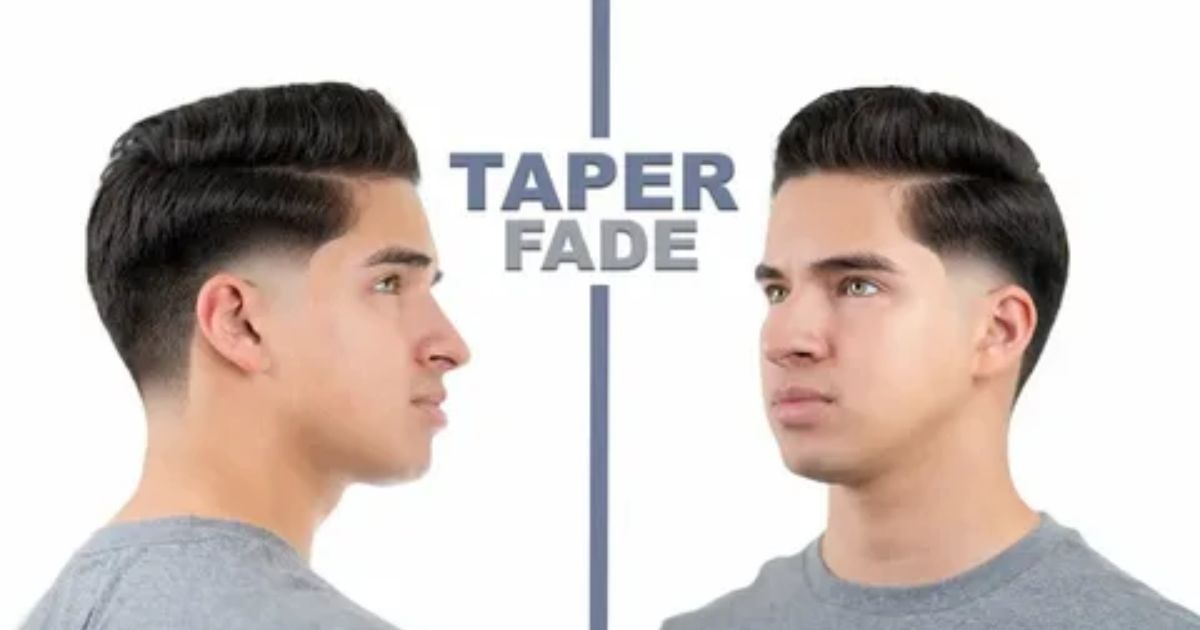
 A taper fade is a haircut where hair gradually shortens from the top down to the skin. It looks clean, sharp, and incredibly stylish on most men.

Which taper fade suits a round face best?

 A high taper fade works best for round faces. It adds height on top, creates vertical contrast, and makes your face appear longer and slimmer naturally.

Is a taper fade high maintenance?

 Honestly, yes but it’s worth it. You’ll need a fresh touch-up every two to three weeks to keep your taper fade looking sharp and defined.

Can a taper fade work with a beard?

 Absolutely. Blending your beard into a taper fade creates a seamless, polished look. Ask your barber to connect both smoothly for a clean, professional finish.

What’s the difference between a low and high taper fade?

 A low taper fade starts near the ear. A high taper fade begins above it. High fades add height while low fades keep things subtle and balanced.

Conclusion

Choosing the right taper fade truly changes everything. A well-matched taper fade enhances your face shape naturally. It adds balance, sharpness, and real confidence. Every face shape has a perfect taper fade waiting for it. You just need to know which one fits yours best.

Don’t walk into a barbershop without a plan. Know your face shape first. Then pick the taper fade that works with your features. A low taper fade, mid taper fade, or high taper fade each serves a different purpose. The right choice always makes a massive difference. Now go get that perfect taper fade.


Leave a Comment