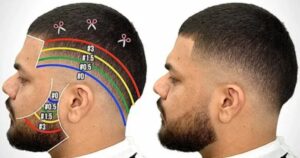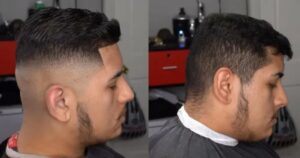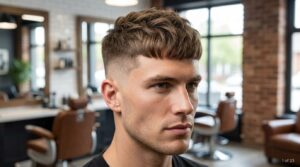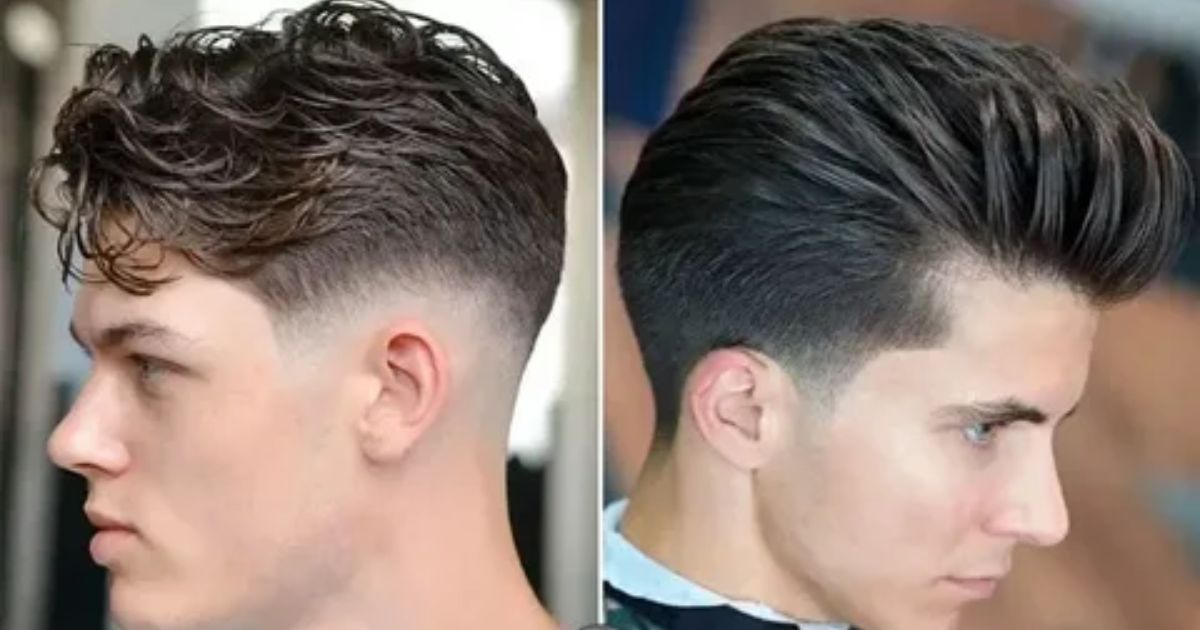
Every guy hits this moment at the barber. You sit down and freeze up. Fade or taper which one do you actually want. Understanding fade vs taper: what’s the difference in men’s haircuts is simpler than you think. A fade cuts close to the skin. A taper stays fuller on the sides.
Knowing fade vs taper: what’s the difference in men’s haircuts changes everything about how you look. Fades are bold and sharp. Tapers are clean and classic. Your face shape, lifestyle, and style goals all play a role. Pick the wrong one and the whole look falls flat. Pick the right one and you walk out a different man.
What Is A Fade Haircut?
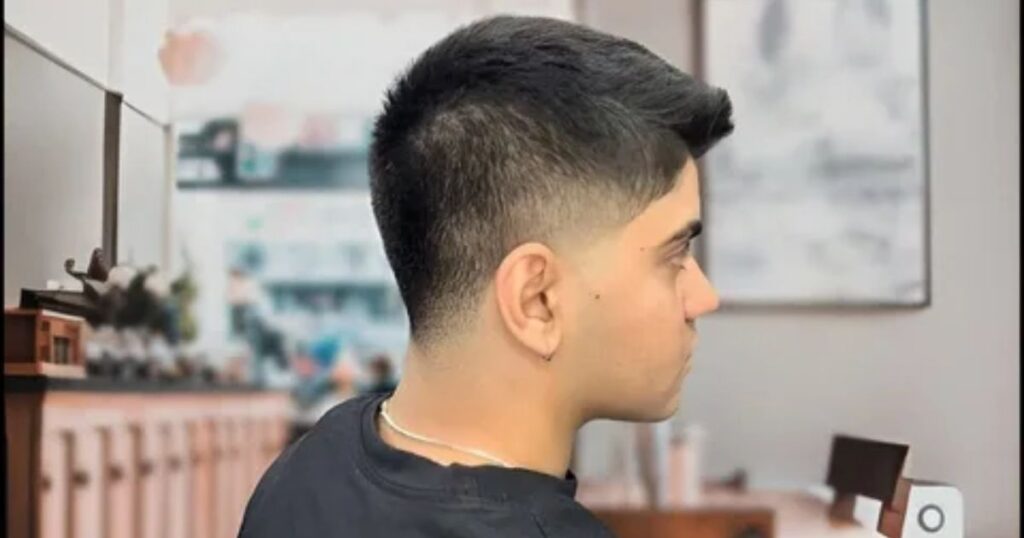
A fade haircut cuts hair shorter as it moves down the sides. It blends from longer on top to nearly skin-level at the bottom. The transition is sharp and clean.
Fades are one of the most popular men’s haircuts today. Barbers use clippers with different guard sizes. The result is a smooth gradient that looks incredibly polished.
This cut works for almost any hair type. Straight, curly, thick, or thin fades handle it all. That’s exactly why so many men keep coming back for them.
Types Of Fade Haircuts
There are three main fade types every man should know. Each one sits at a different height on the head. Your face shape and style goals determine which fits best.
| Fade Type | Starting Point | Best For |
| Low Fade | Just above the ear | Subtle, professional looks |
| Mid Fade | Around the temple | Balanced, everyday styles |
| High Fade | Near the crown | Bold, dramatic statements |
Choosing the right fade type makes a huge difference. A low fade keeps things understated. A high fade turns heads instantly.
Why Men Choose A Fade
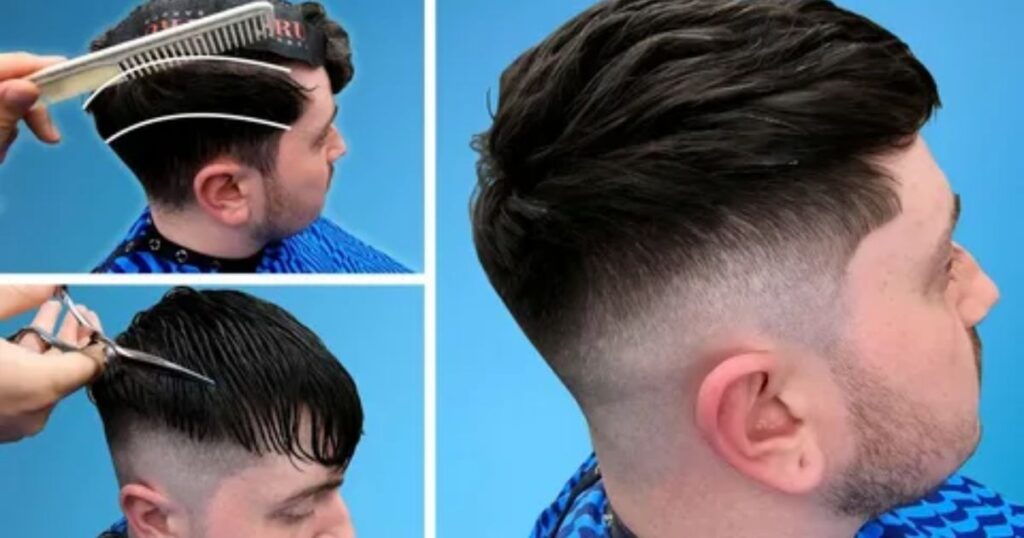
Men love fades because they look sharp and fresh. The clean lines frame the face beautifully. It’s a confidence boost every single time.
Fades also work with almost any top style. Pair one with a pompadour, crop, or textured quiff. The combination always delivers a strong, modern finish.
Maintenance feels worth it for most guys. Yes, you’ll visit the barber more often. But that crisp look stays consistent and always on point.
What Is A Taper Haircut?
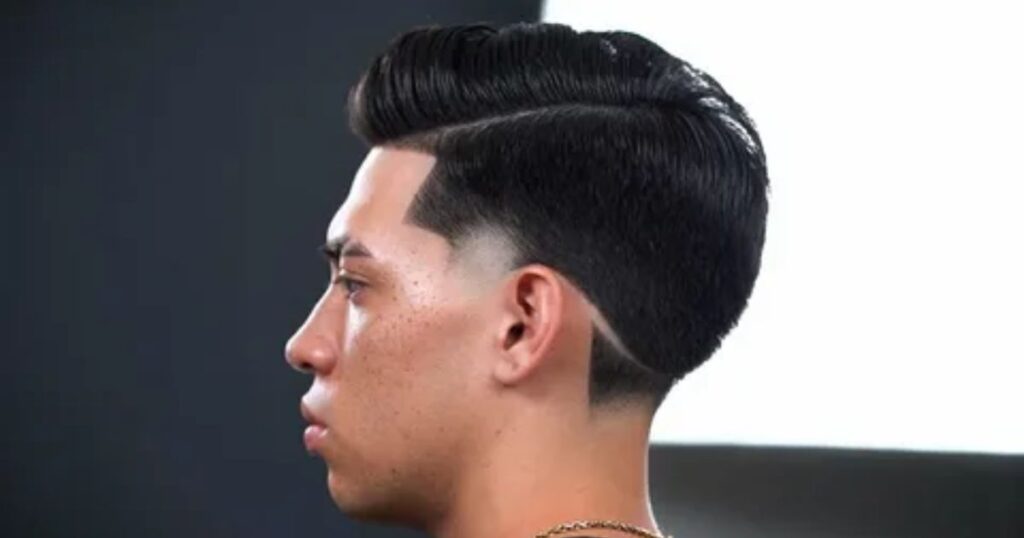
A taper haircut gradually reduces hair length near the neckline and sideburns. It doesn’t go as short as a fade. The sides stay fuller and more natural looking.
Tapers have been around for decades. They carry a timeless, classic appeal. Many professional men prefer this cut for its clean but understated finish.
Think of a taper as the quieter, more refined cousin of the fade. It doesn’t shout for attention. Instead, it earns respect through subtle elegance.
Features Of A Taper
A taper has several distinct characteristics that set it apart. Here’s what defines this classic cut clearly.
- Gradual hair reduction near the neckline
- Fuller sides compared to a fade
- Smooth natural blending around the ears
- No dramatic skin exposure
- Longer overall hair length on the sides
These features make the taper incredibly versatile. It suits formal settings perfectly. It also adapts well to relaxed everyday environments without missing a beat.
Who Should Consider A Taper?
If you work in a professional environment, a taper fits right in. It looks polished without being flashy. Offices and formal settings welcome this cut warmly.
Men who hate frequent barber visits should strongly consider a taper. It holds its shape longer than a fade. You get more time between appointments without looking unkempt.
Guys who prefer natural, low-contrast styles love tapers too. It keeps the hair looking full and balanced. No dramatic skin showing just clean, refined grooming.
Key Differences: Fade Vs Taper
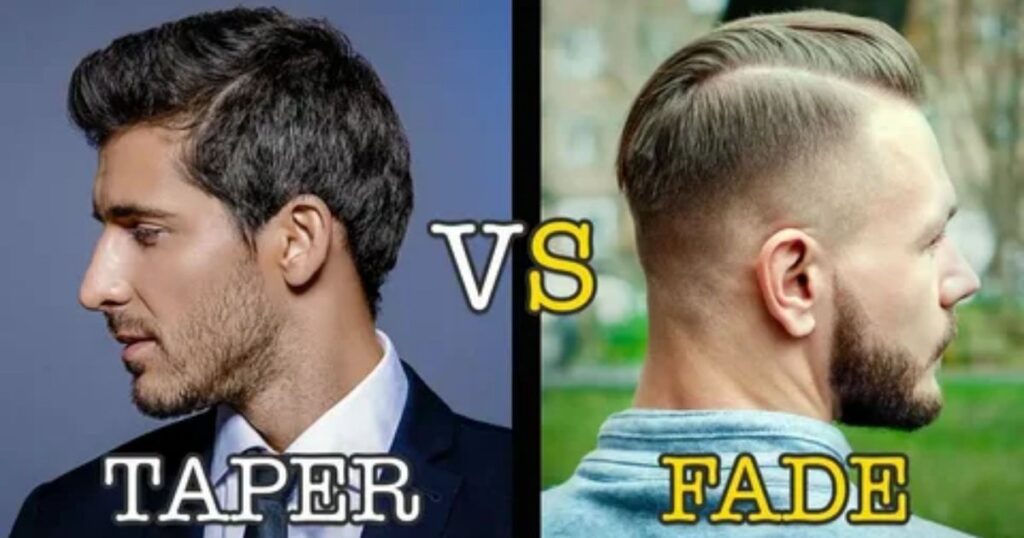
Fade vs taper: what’s the difference in men’s haircuts really comes down to contrast and blending height. One goes dramatic. The other stays subtle.
| Feature | Fade Haircut | Taper Haircut |
| Hair Reduction | Dramatic, close to skin | Subtle, gradual |
| Scalp Visibility | Often visible | Minimal |
| Transition Height | High on the head | Limited to edges |
| Style Vibe | Bold and modern | Classic and refined |
| Maintenance | Frequent visits needed | Longer lasting shape |
Both cuts have their strengths. Your lifestyle and personality determine the winner. Neither option is wrong just different.
Visual Contrast
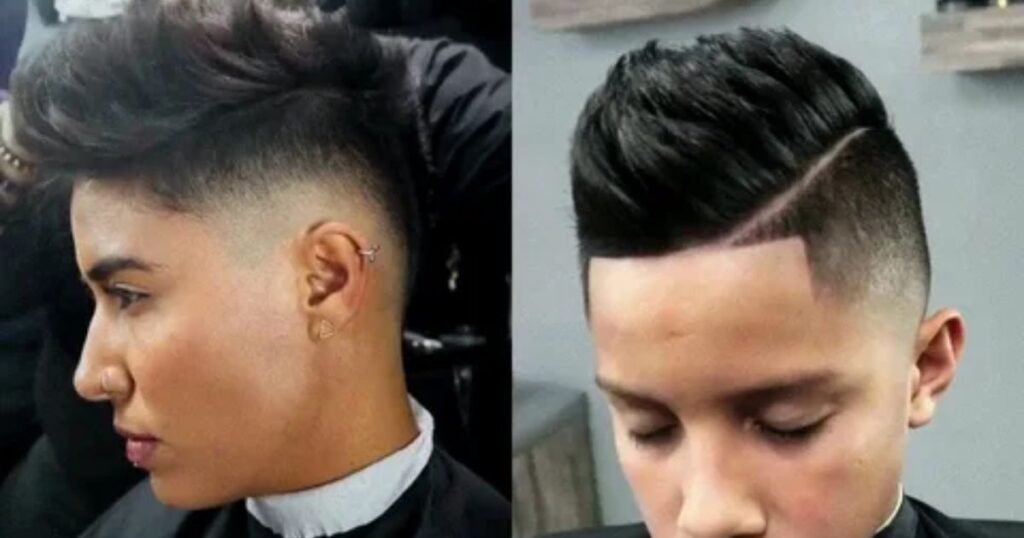
Fades create a striking high-contrast look. The skin shows through clearly near the bottom. It gives the haircut a sharp, sculpted appearance.
Tapers blend much more gently. The hair flows naturally into the neckline. There’s no sudden cut-off point catching anyone’s eye.
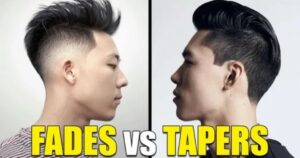
Side by side, the difference is immediately obvious. A fade looks like a statement. A taper looks like discipline. Both are impressive in their own right.
Maintenance Difference
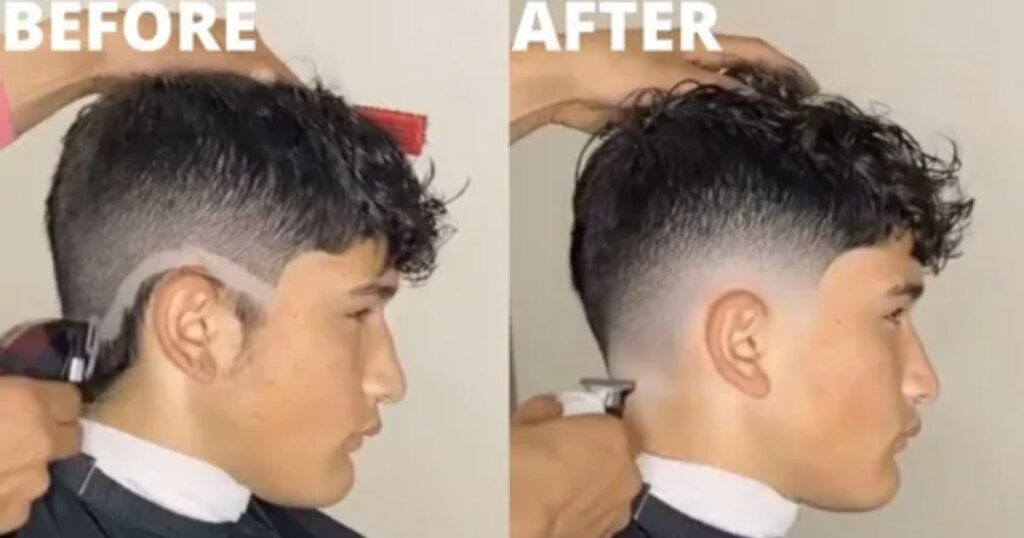
Fades grow out fast and lose their sharpness quickly. Most men need a touch-up every two to three weeks. That crisp line fades no pun intended pretty fast.
Tapers hold their shape considerably longer. Four to six weeks between visits is realistic. The gradual blending makes the grow-out process far less noticeable.
If your schedule is packed and barber trips feel inconvenient, tapers win easily. Less upkeep means more freedom. Your cut stays respectable without constant attention.
How To Choose Between A Fade And A Taper
Start by asking yourself one thing how much maintenance are you willing to commit to. That single answer narrows things down fast. Everything else follows naturally from there.
Consider your daily environment too. A corporate office calls for something polished and conservative. A creative studio gives you more room to experiment boldly.
Finally, think about your personal style. Do you want people to notice your haircut immediately. Or would you rather it quietly complements your overall look without dominating it.
Lifestyle Considerations
Your lifestyle shapes your haircut more than you’d expect. An athlete who trains daily might prefer a low-maintenance taper. A fashion-forward creative might chase that sharp fade consistently.
Social settings matter too. Weddings, interviews, and business meetings favor clean taper cuts. Concerts, street style events, and casual outings welcome bold fades without hesitation.
Don’t fight your lifestyle work with it. The best haircut fits seamlessly into your daily routine. Comfort and confidence together always beat chasing a trend alone.
Hair Length Matters
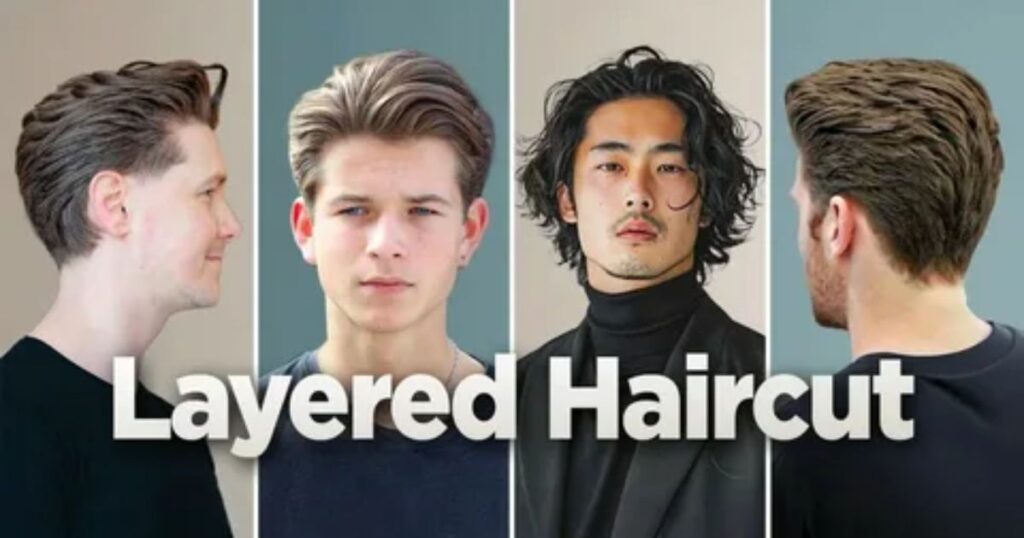
The length on top plays a huge role in choosing your cut. Longer styles pair beautifully with high fades for dramatic contrast. Shorter crops work well with both fade and taper options.
| Top Length | Best Fade Option | Best Taper Option |
| Short crop | Low or mid fade | Classic taper |
| Medium length | Mid or high fade | Tapered sides |
| Long on top | High fade | Soft taper |
Match your top length wisely with the right sides. The balance between top and sides defines the entire silhouette. Get it right and the whole look clicks.
Changing Your Cut To Suit Your Face
Your face shape is the ultimate guide for any haircut decision. Not every cut flatters every face equally. A skilled barber always considers this first before picking up the clippers.
Understanding your face shape saves you from costly haircut mistakes. Round, square, oval, oblong, heart each shape responds differently to fades and tapers. Small adjustments create massive improvements.
Work with your natural features rather than against them. The right cut enhances your best angles. The wrong one can make your face look wider, longer, or unbalanced unintentionally.
For The Round Face
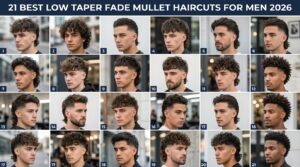
Learn more:15 Trending Low Taper Fade Haircuts (2026 Guide)
Round faces have soft curves and minimal sharp angles. The main goal here is adding length and definition. Width reduction makes a noticeable difference instantly.
A high fade removes bulk from the sides effectively. Adding height on top elongates the face visually. Together, these adjustments create a leaner, more defined appearance overall.
Avoid styles that keep fullness on the sides. That only emphasizes the roundness further. Go vertical with your styling for the best possible result every time.
Best Option
The best option for a round face is a high fade paired with a textured quiff or pompadour. Height on top is your best friend here. Keep the sides tight and clean.
Avoid low fades or tapers with heavy side volume. They widen the face unnecessarily. A bold, high-contrast cut works dramatically better for this face shape.
Ask your barber specifically for reduced weight on the sides. That simple request transforms the entire outcome. Height up, width down that’s the golden formula for round faces.
For Square Face
Square faces already have strong, angular jawlines. The structure is naturally masculine and well-defined. The goal here is balance, not more drama.
Too much contrast near the jaw can look overwhelming. A low or mid fade keeps things proportional. It enhances the jawline without making it feel overpowering or exaggerated.
Light tapering on the sides maintains a clean finish. Moderate volume on top completes the look nicely. Think refined masculinity rather than aggressive sharpness with this face shape.
Best Option
A low fade or mid fade suits square faces best. Keep the top at moderate height to maintain balance. Avoid extremely sharp cut-offs that over-emphasize angular features.
A classic taper also works beautifully here. It softens the strong jawline just enough. The result feels masculine, controlled, and effortlessly stylish at the same time.
Tell your barber to keep the blending controlled. Clean lines without extreme contrast hit the sweet spot. Square faces don’t need much help just a little fine-tuning works perfectly.
For Oval Face
Lucky you oval faces suit almost every haircut style. The proportions are naturally balanced. Barbers love working with oval faces for exactly that reason.
Both fade and taper options work comfortably here. You can experiment freely without major risks. Almost any style you try will complement your features naturally and easily.
Use this flexibility wisely though. Just because everything works doesn’t mean everything is optimal. Choose based on lifestyle and personal taste rather than face shape alone.
Best Option
Any fade variation works well for oval faces. High, mid, or low all three deliver strong results. Tapers look equally sharp in professional or casual settings too.
A pompadour or textured quiff adds great visual interest on top. Pair it with a mid fade for a balanced modern look. Oval faces carry this combination exceptionally well every time.
Don’t overthink it. Pick the style that genuinely excites you. Your face shape won’t hold you back so let your personality lead the decision confidently.
For The Oblong Or Rectangular Face
Oblong faces run longer than they are wide. Adding more height makes things worse. The priority here is creating the illusion of width instead.
Avoid high fades completely with this face shape. They elongate the face even further. That’s the last thing an oblong face actually needs from a haircut.
Keep the sides slightly fuller to add visual width. A low fade or soft taper serves this shape perfectly. Balance is everything horizontal emphasis beats vertical every single time here.
Best Option
A low fade with moderate side volume is the smartest choice. It avoids adding height while keeping things fresh and clean. The result looks intentional and well-proportioned.
A classic taper works brilliantly here too. It preserves natural fullness on the sides. That gentle width balances the face length beautifully without any dramatic effort.
Skip tall styling on top entirely. A flat or slightly textured top keeps proportions even. Work horizontally and your oblong face will look remarkably balanced and sharp.
For The Heart-Shaped Face
Heart-shaped faces are wider at the forehead and narrower at the chin. The styling goal is adding width near the jaw. Reducing bulk near the forehead helps create symmetry.
Mid fades work particularly well for this shape. They reduce fullness at the temples naturally. That small adjustment already improves facial balance significantly.
A taper with controlled sides also flatters heart-shaped faces. Moderate styling on top keeps the forehead from appearing too dominant. Proportion and symmetry drive every decision here.
Best Option
A mid fade or soft taper is ideal for heart-shaped faces. Keep styling on top modest and controlled. Avoid heavy volume near the forehead at all costs.
Focus on building subtle width around the lower face instead. A textured, natural finish near the jaw creates better balance. Small deliberate choices produce surprisingly powerful results here.
Talk openly with your barber about your forehead width. A small adjustment in blending height changes everything. The right cut makes heart-shaped faces look strikingly symmetrical and handsome.
Why Get Your Fade Or Taper At The Rosemont Barbers
The Rosemont Barbers doesn’t just cut hair they craft looks. Every visit starts with a real conversation about your style goals. That personal attention makes an immediate difference in results.
Their team understands fade vs taper: what’s the difference in men’s haircuts inside and out. Precision is their standard, not their exception. You leave looking sharp every single time without compromise.
Beyond technique, they offer genuine maintenance guidance. They’ll tell you exactly how often to return for touch-ups. That kind of honest advice keeps your style consistently fresh between appointments.
What Sets Them Apart
- Deep expertise in both fade and taper techniques
- Personalized consultations based on face shape and hair type
- Sharp, clean results with consistent attention to detail
- Honest maintenance advice tailored to your schedule
- A welcoming environment where quality always comes first
These qualities aren’t accidental they’re intentional. Every barber on the team trains specifically for precision cutting. That dedication shows clearly in every finished look they deliver.
Choosing the right barbershop matters just as much as choosing the right cut. The Rosemont Barbers combines skill, care, and consistency seamlessly. That combination is genuinely hard to find anywhere else.
FAQ’S
What is the main difference between a fade and a taper?
A fade cuts hair down to the skin dramatically. A taper reduces hair gradually and subtly. Fades are bolder while tapers stay classic and understated.
Which lasts longer, a fade or a taper?
Tapers hold their shape significantly longer than fades. Fades need touch-ups every two to three weeks. Tapers comfortably last four to six weeks between visits.
Which cut suits a professional work environment better?
Tapers win in professional settings every time. They look polished and refined without being flashy. Most corporate environments welcome that clean understated look warmly.
Can any face shape pull off a fade haircut?
Almost every face shape can wear a fade confidently. The key is choosing the right fade height. Your barber adjusts the blend to flatter your features perfectly.
Is a fade or taper better for beginners visiting a barber?
A taper is friendlier for first-time barber visits. It’s forgiving, versatile and grows out cleanly. Fades require more precision and commitment to regular maintenance appointments.
Conclusion
The difference between a fade and a taper really comes down to contrast and style. Fades go bold and sharp. Tapers stay clean and classic. Understanding the difference between a fade and a taper helps you walk into any barbershop with total confidence. No more guessing.
Both cuts look great when chosen wisely. The difference between a fade and a taper affects your maintenance routine, your face shape, and your overall vibe. Pick what fits your life. Talk to your barber honestly. The right cut is out there waiting for you.