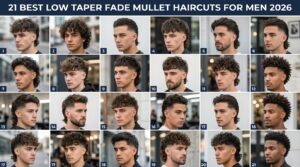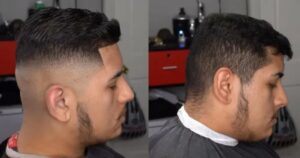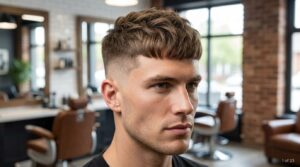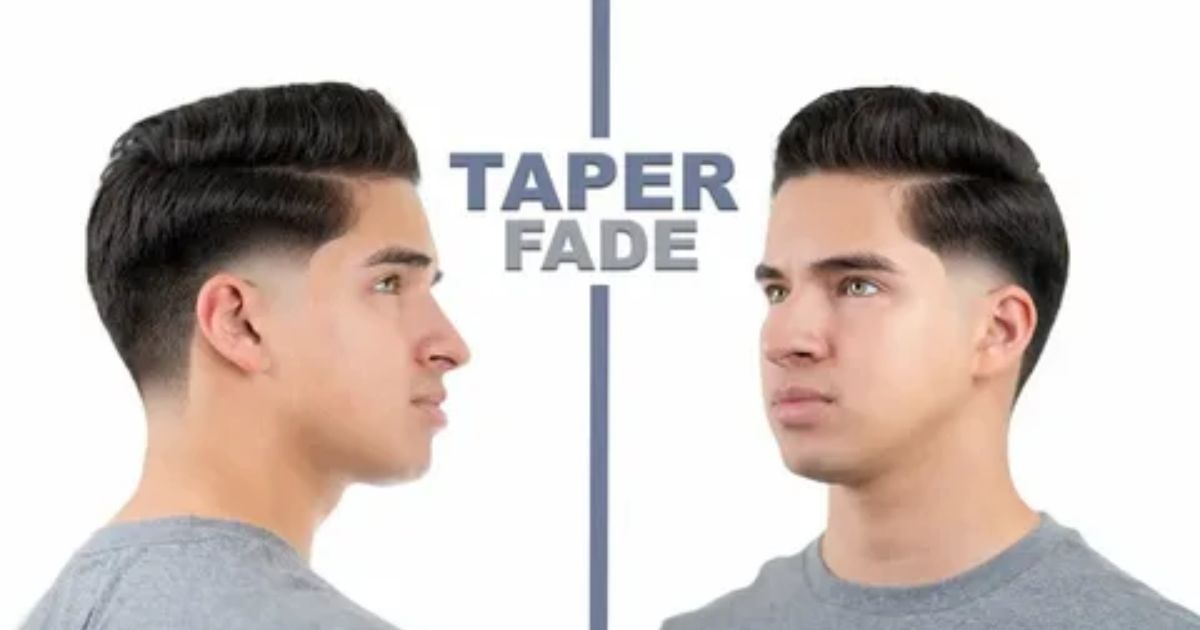
Your haircut starts with one smart choice. A taper fade can completely change how your face looks. The right taper fade adds balance and sharpness. It highlights your best features naturally. Not every taper fade works for every face. That’s why face shape matters so much.
Oval, round, square, heart each shape needs a different approach. A high taper fade suits round faces well. A low taper fade works better for square or rectangular faces. Choosing the wrong taper fade throws off your whole look. But choosing the right one builds instant confidence. This guide breaks it all down simply. You’ll know exactly which taper fade fits your face before walking into the barbershop.
Which Taper Fade Fits Your Face Shape?
Learn more:Burst Fade Haircut: Best Styles for Men (Low, Curly & Mullet)
Your face shape determines everything. Picking the right taper fade isn’t just about trends. It’s about what actually works for your unique structure. The wrong fade makes your face look wider, longer, or completely unbalanced. The right one does the opposite.
Most people walk into a barbershop without a plan. They pick a style they saw online and hope for the best. That’s a gamble. Your barber needs direction. Knowing your face shape gives you that direction instantly and confidently every single time.
Oval, round, square, heart, diamond, and rectangle each face shape has a perfect taper fade match. Understanding which fade suits you means better haircuts every time. This guide walks you through every face shape clearly and simply.
How To Determine Your Face Shape
Figuring out your face shape is simpler than you think. You don’t need a professional consultation. A mirror and a few minutes are all it takes. Once you know your shape, choosing the right taper fade becomes much easier and more intentional.
Start by pulling your hair back completely. Look straight into the mirror. Notice the width of your forehead, cheekbones, and jaw. Also note how long your face looks from top to bottom. These four measurements tell you everything about your shape.
Face shapes fall into six main categories. Each one has distinct proportions that stand out when measured properly. Oval faces are longer with softer edges. Round faces are equally wide and tall. Square faces have strong jawlines. Heart and diamond shapes each carry their own clear signatures.
Measure Your Face (Mirror Method)
The mirror method is the easiest way to find your face shape at home. No tools required. Just stand in front of a mirror and pull all your hair back. This removes distractions and reveals your true facial structure instantly.
Use a washable marker or lipstick to trace your face outline directly on the mirror. Step back and look at the shape you’ve drawn. Is it round, long, wide, or angular. That outline is your face shape staring right back at you.
Alternatively, take a front-facing photo with your hair tied back. Look at the widest parts of your face. Compare your forehead to your jawline. If your jaw is narrower and your forehead is wider, you likely have a heart-shaped face.
Best Taper Fade For Every Face Shape
Not every taper fade fits every face. That’s the honest truth. The best fade for your face depends entirely on your proportions. A style that looks sharp on your friend might look completely off on you. Face shape is the real deciding factor.
There are six main face shapes to consider. Each one pairs best with a specific fade height and top length. Getting this pairing right means your haircut works with your face, not against it. Small details make a massive difference in the final result.
Below, each face shape gets a dedicated breakdown. You’ll find the best fade type, why it works, and how to ask for it at the barbershop. Read through each one and find the shape that matches yours most closely.
1. Oval Face Shape – The Most Versatile
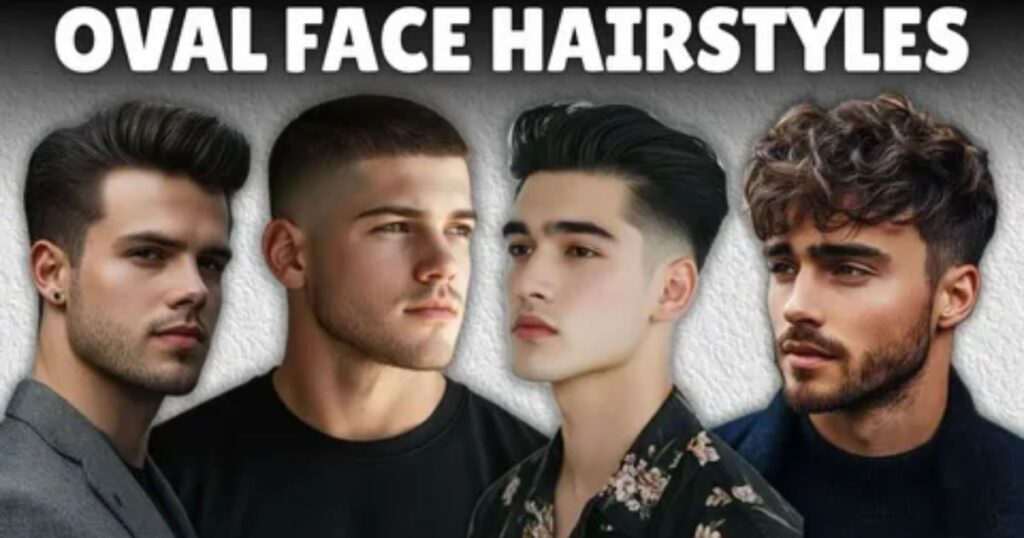
Oval is the golden standard of face shapes. It’s balanced, symmetrical, and naturally proportionate. Nearly every taper fade looks great on an oval face. You have more styling freedom than any other face shape when walking into the barbershop.
Low, mid, and high taper fades all work well here. Try a textured crop, pompadour, or slick back for extra personality. Keep around 2 to 3 inches on top for movement and volume. Your natural balance makes any of these styles shine effortlessly.
Ask your barber for a clean taper around the neck and temples. Request slightly more length on top to add natural volume. Refresh the cut every 3 weeks to keep the edges sharp and the fade looking fresh and defined.
2. Round Face Shape – Add Height & Sharpness
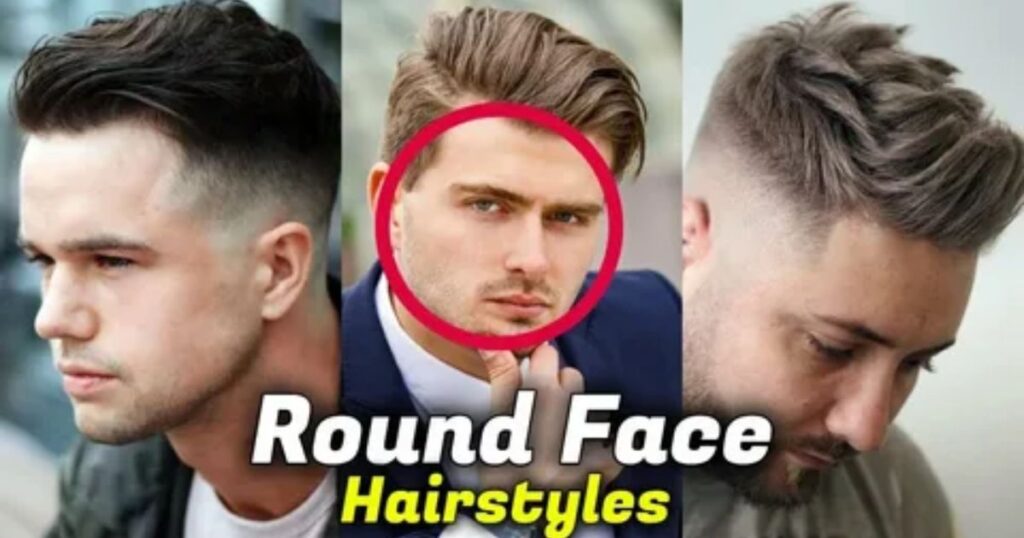
Round faces have fuller cheeks and softer angles. The goal is to create the illusion of length. A mid to high taper fade does exactly that. It draws the eye upward and makes your face appear slimmer and more structured overall.
Go for styles with height on top. Quiffs, textured tops, and spiky styles all add vertical contrast. Avoid cuts that are too even on the sides that only makes a round face look wider. Height is genuinely your best friend here.
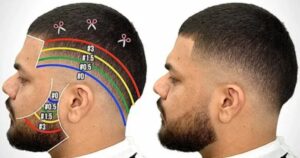
Tell your barber you want more length on top with a tighter fade at the temples. A number 1 or 2 guard fade works perfectly. Touch up every 2 to 3 weeks to maintain the structure and keep the shape looking clean and defined.
3. Square Face Shape – Balance Strong Jawlines
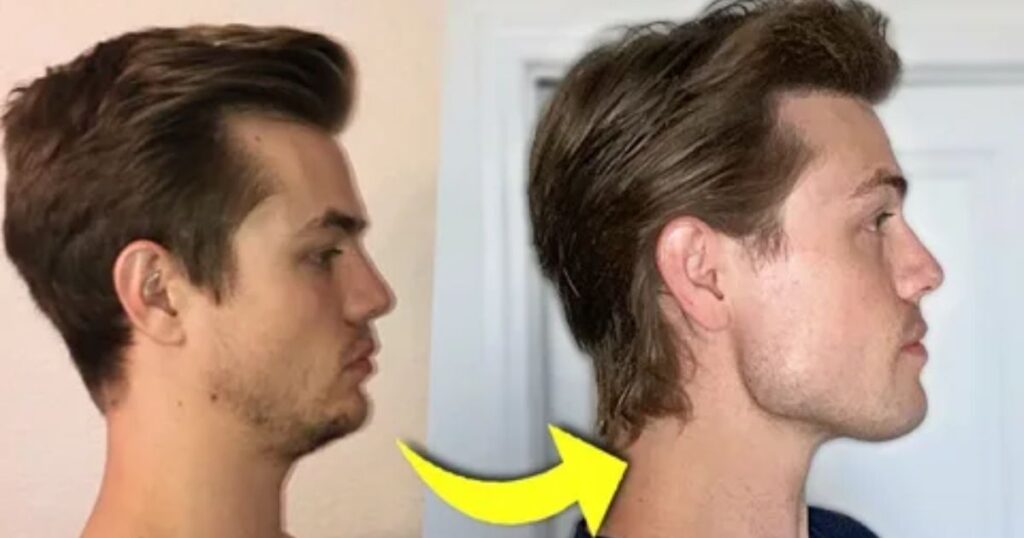
Square faces have bold jawlines and wide foreheads. These are strong, attractive features but they need balancing. A low to mid taper fade adds refinement without removing the natural power of your facial structure. It softens without erasing your angles.
Side parts, textured fringes, and wavy tops all work beautifully here. They add movement and soften those sharp angles naturally. Avoid overly crisp geometric lines in the haircut they make a square face look too angular and unnecessarily harsh.
Ask your barber for a gradual fade with blended sides using a number 2 or 3 guard. Keep the top soft and textured rather than slicked down tight. Schedule a trim every 3 to 4 weeks to keep everything smooth and well-structured.
4. Oblong / Rectangle Face Shape – Avoid Too Much Height
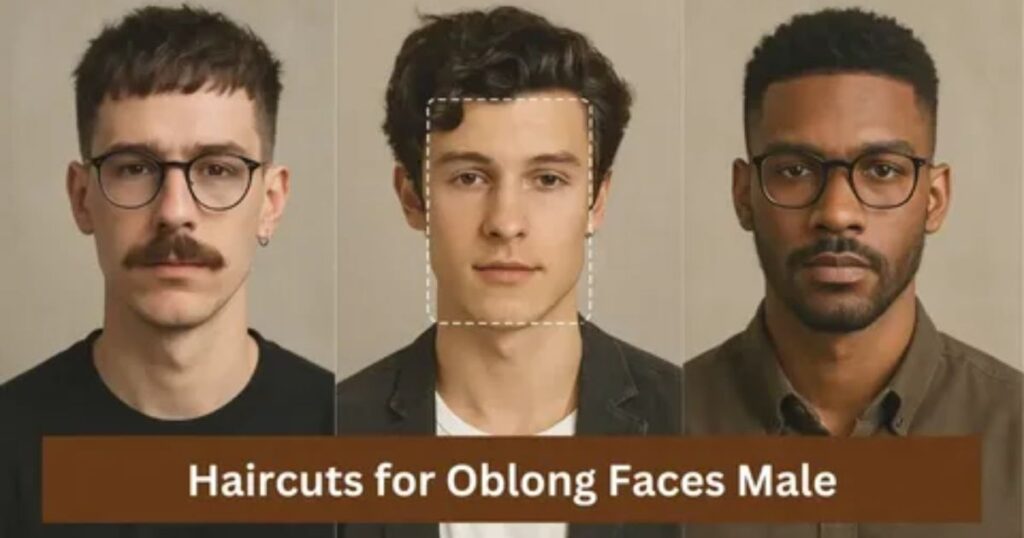
Oblong and rectangular faces are longer than they are wide. The challenge is avoiding extra vertical length on top. A low to mid taper fade helps create width at the sides. That added width visually shortens the face and restores natural balance.
Side-swept tops, textured layers, and short fringes are your best options. They add horizontal visual weight that works in your favor. Avoid high-volume styles like pompadours or tall quiffs they stretch your face further and make it look even longer.
Tell your barber to keep bulk at the sides with minimal height on top. A number 3 guard at the sides blended into 1 to 2 inches on top is ideal. Refresh the cut every 3 to 4 weeks for consistently even, well-proportioned results.
5. Heart / Triangle Face Shape – Balance Forehead Width
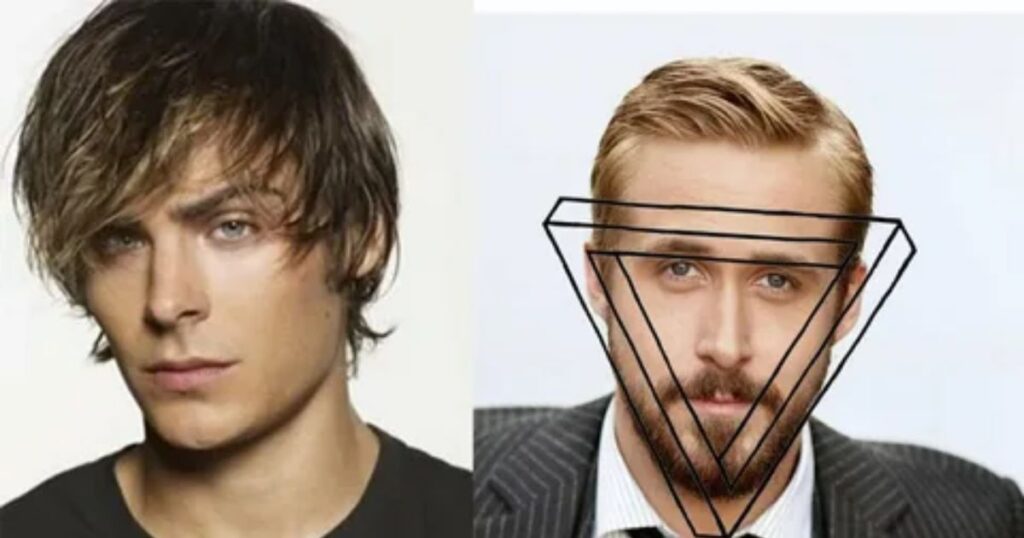
Heart-shaped faces have a wider forehead and a narrower chin. That contrast needs evening out. A low to mid taper fade keeps attention away from the forehead and adds visual weight around the jaw area. Balance is everything with this shape.
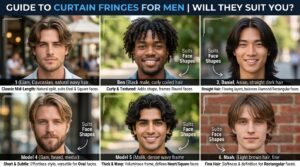
Side-swept fringes, textured tops, and curtain-style layers work best here. These styles partially cover the forehead and redirect the viewer’s eye downward. Avoid very tight sides with lots of top volume that combination only amplifies forehead width and disrupts your balance.
Ask your barber for a soft taper with blended sides and fringe length at the front. That fringe visually narrows the forehead. Get a trim every 3 to 4 weeks so the balance stays consistent and the overall shape always looks intentional.
6. Diamond Face Shape – Highlight Cheekbones
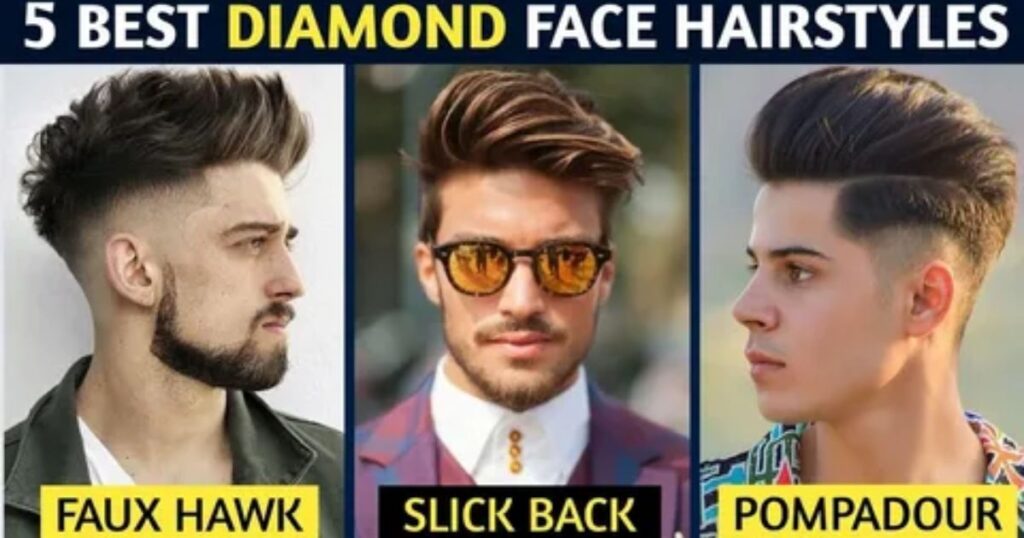
Diamond faces are naturally striking. Sharp cheekbones, a narrow forehead, and a pointed chin that’s a powerful combination. A mid to high taper fade highlights those cheekbones and draws attention to the upper face where all the real drama lives.
Try a textured crop, modern quiff, or short pompadour. Keep the top neat but voluminous enough to add presence. These styles complement the sharp geometry of a diamond face without overpowering it. Think clean structure with a confident touch of personality.
Tell your barber you want a mid or high taper that follows the cheekbone line. Keep around 2 inches on top for styling flexibility. Book a touch-up every 2 to 3 weeks to maintain sharpness and keep that striking definition looking its absolute best.
Comparison Table – Best Taper Fade By Face Shape
Comparing all six face shapes side by side makes the decision much simpler. The table below gives you a quick visual reference. Use it to confirm which fade height and top length suit your specific proportions. One glance tells you everything you need.
| Face Shape | Best Taper Fade | Why It Works | Top Length | Avoid |
| Oval | Low / Mid / High | Balanced proportions suit all fades | 2–4 inches | Nothing most versatile |
| Round | Mid to High | Creates height and slims the face | 3–5 inches | Low taper |
| Square | Low to Mid | Softens strong jawline angles | 2–3 inches | Skin fades |
| Rectangle | Low to Mid | Reduces vertical length, adds width | 2–3 inches | High taper |
| Heart | Low to Mid | Balances wide forehead with narrow chin | 3–4 inches | Very tight sides |
| Diamond | Mid to High | Highlights cheekbones beautifully | 2–4 inches | Very high fade |
Every recommendation in this table accounts for proportion and balance. Notice how lower fades dominate the list that’s not a coincidence. Low taper fades are the safest and most universally flattering choice across nearly all face shapes and hair types.
Common Mistakes To Avoid When Choosing A Taper Fade
The most common mistake is choosing a fade that’s too high for a long face. It adds height you simply don’t need and makes your face look stretched. Always match the fade height to your face’s natural proportions. Getting this wrong is easy and very avoidable.
Forgetting about your beard is another big error. Your beard shape directly impacts how your taper fade looks overall. A well-shaped beard complements the fade perfectly. A scraggly or uneven beard can ruin an otherwise flawless haircut. Always factor the beard into your style plan.
Skipping maintenance is the mistake that kills good haircuts. Taper fades need refreshing every 2 to 4 weeks. Without regular touch-ups, the fade grows out and loses its sharp definition. Using too much product also hides the fade’s shape and makes it look dull.
Expert Barber Tips For A Perfect Taper Fade
Always bring reference photos to your barbershop appointment. Words alone can be vague and misinterpreted. A photo removes all the guesswork instantly. Show your barber exactly what you want and tell them your face shape. That combination gives them everything needed to deliver a great result.
Blending your beard into the fade creates a seamless, polished look. This works especially well for square and round face shapes. Ask your barber to taper the beard line so it flows naturally into the fade. That connection elevates the entire haircut instantly and effortlessly.
Use a matte styling product to enhance natural texture without hiding the fade. Book regular touch-ups every 2 to 4 weeks to keep the cut crisp and sharp. A well-maintained taper fade always looks intentional, professional, and genuinely put together every single day.
FAQ’S
What exactly is a taper fade?
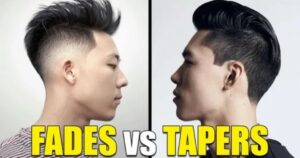
A taper fade is a haircut where hair gradually shortens from the top down to the skin. It looks clean, sharp, and incredibly stylish on most men.
Which taper fade suits a round face best?
A high taper fade works best for round faces. It adds height on top, creates vertical contrast, and makes your face appear longer and slimmer naturally.
Is a taper fade high maintenance?
Honestly, yes but it’s worth it. You’ll need a fresh touch-up every two to three weeks to keep your taper fade looking sharp and defined.
Can a taper fade work with a beard?
Absolutely. Blending your beard into a taper fade creates a seamless, polished look. Ask your barber to connect both smoothly for a clean, professional finish.
What’s the difference between a low and high taper fade?
A low taper fade starts near the ear. A high taper fade begins above it. High fades add height while low fades keep things subtle and balanced.
Conclusion
Choosing the right taper fade truly changes everything. A well-matched taper fade enhances your face shape naturally. It adds balance, sharpness, and real confidence. Every face shape has a perfect taper fade waiting for it. You just need to know which one fits yours best.
Don’t walk into a barbershop without a plan. Know your face shape first. Then pick the taper fade that works with your features. A low taper fade, mid taper fade, or high taper fade each serves a different purpose. The right choice always makes a massive difference. Now go get that perfect taper fade.